New Lane Use Changes
Changes are on the way for how New Zealanders share our roads, cycle lanes, and footpaths. After public consultation earlier this year, the Government has announced some proposed changes to lane use rules. The goal is to make the rules clearer, boost safety, and better match how people actually use our roads these days.
Over 6,000 people and groups shared their opinions during the consultation, influencing the changes that are now expected to move forward later in 2026, pending Cabinet approval.
What is expected to change?
There are four main changes drivers and other road users should be aware of:
Children riding on footpaths
Children up to 12 years old will be allowed to ride bikes on footpaths, with parents or caregivers also permitted to ride alongside them. For drivers, this means being extra aware around driveways, intersections and other areas where footpaths cross vehicle access points.
A minimum passing gap for other road users
Drivers will be required to leave a minimum gap of 1.5 metres when passing other road users, where practical. This is an important reminder that safe passing is not about squeezing through because there appears to be just enough room. Drivers need to assess the road ahead, check for oncoming traffic and wait until there is enough space to pass safely.
E-scooters in cycle lanes
People using e-scooters will be allowed to ride in cycle lanes. As more types of transport share the road, drivers will need to stay alert, check mirrors and blind spots carefully, and be prepared for different road users travelling at different speeds.
Giving way to buses leaving bus stops
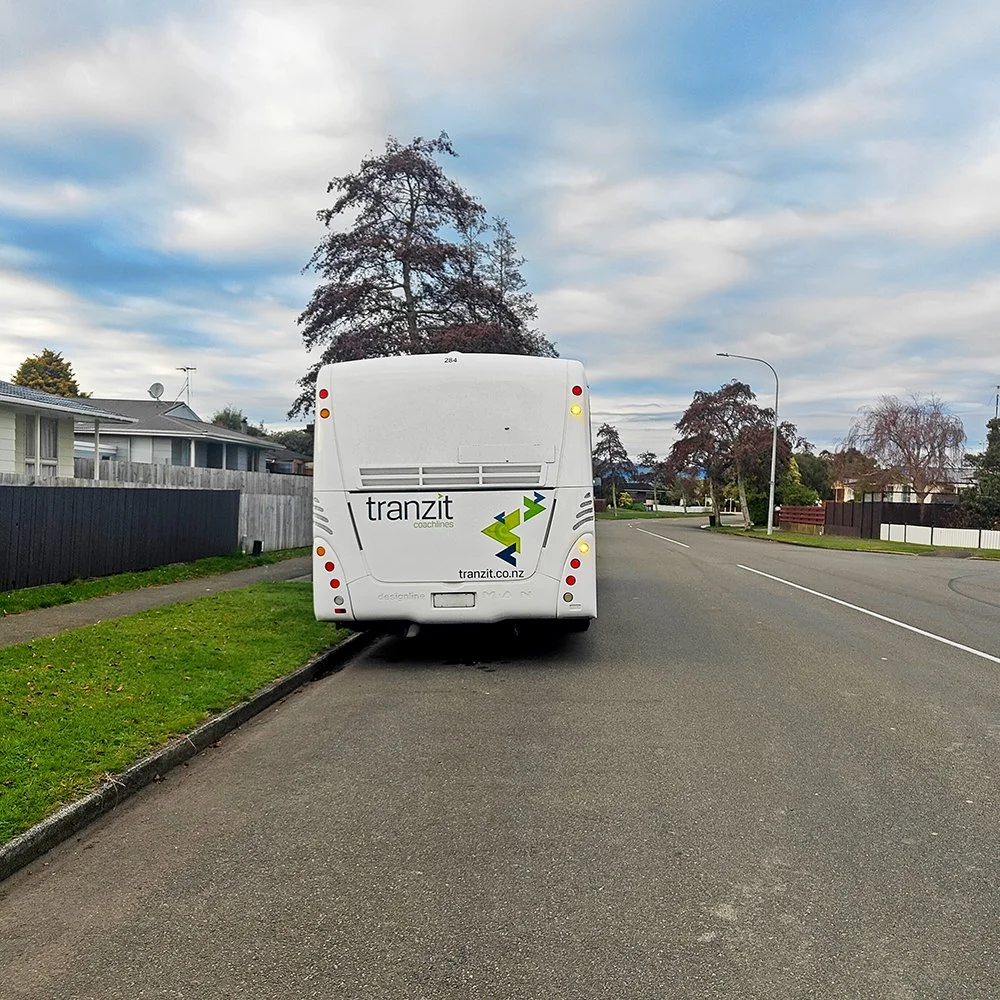
Drivers will be required to give way to buses leaving bus stops in areas with speed limits of 60 km/h or less. Drivers should be watching for buses indicating to leave a stop and be prepared to slow down safely.
Good driving is about more than knowing the rules
Road rules may evolve over time, but the basics of safe driving (being aware, watching your surroundings, staying patient, and making good choices) pretty much stay the same. At AllTrain, we see these skills as an important part of becoming a safe and confident driver. Our Learner Driver Training helps new drivers build practical skills and confidence behind the wheel, while our Street Talk Defensive Driving Course focuses on hazard awareness, safer decision-making and handling real-world driving risks.
Whether you're learning to drive, working towards your full licence, or just want to refresh your road skills, knowing how to safely share the road with cyclists, e-scooter riders, buses and other vehicles is an important part of being a responsible driver.
The proposed changes are expected to come into effect later in 2026, subject to Cabinet approval. Until then, drivers should continue following the current road rules and keep an eye out for further updates. You can read the full update on the NZTA website or view the ‘Summary of Submissions’ PDF.