WorkSafe: Forklift Explosion That Seriously Injured Worker Was Avoidable
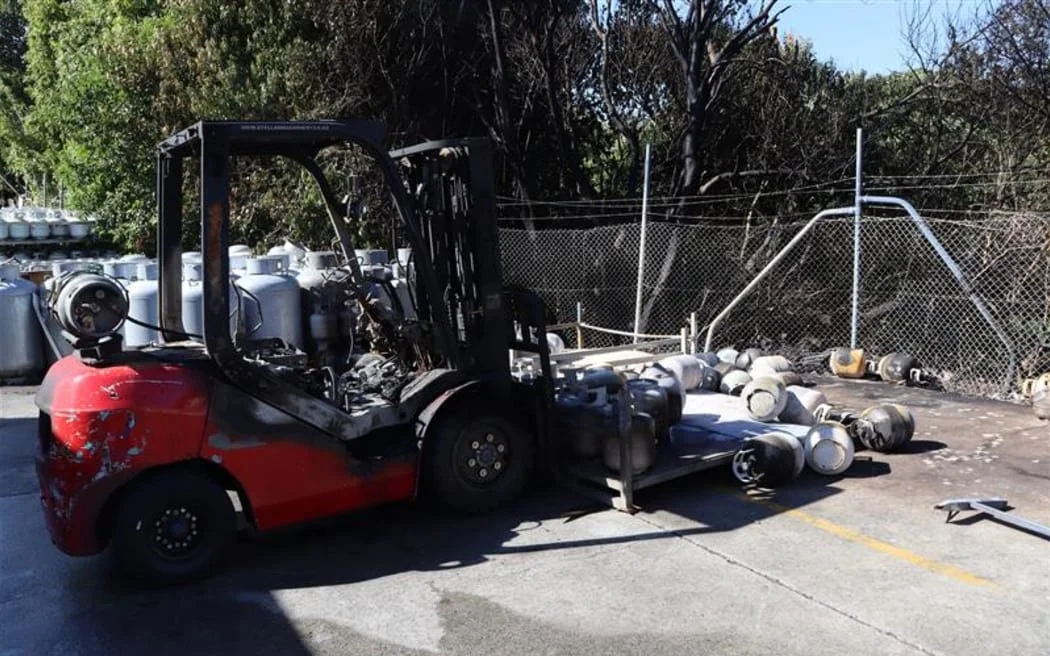
The Tank Test worker was hospitalised for nine weeks after several condemned, nine-kilogram gas bottles exploded and their forklift caught fire.
WorkSafe has confirmed that an explosion which left a forklift driver hospitalised for nine weeks could have been prevented with basic safety controls.
The incident occurred in March 2024 at Tank Test in Papatoetoe, Auckland, when several condemned nine-kilogram gas bottles exploded, setting a forklift on fire and causing serious burns to the operator. The company was later fined more than $300,000, including reparations, following a reserved decision in the Manukau District Court.
In sentencing, Judge Gus Andrée Wiltens described the hazard as “clear and obvious”, noting the risk could have been eliminated at no cost by ensuring forklift operations and gas degassing activities were never carried out at the same time.
A gap between knowing and doing
WorkSafe principal inspector David Worsfold said the case highlighted a common and concerning issue across many industries: the gap between identifying risks and actually controlling them in practice.
“This worker ended up in hospital because his employer didn’t take simple steps to eliminate an obvious risk,” he said.
Worsfold also noted that procedures which are written but not monitored or enforced are ineffective.
“This case isn’t just about flammable gases. It’s about a pattern we see across industries. Businesses may identify risks but fail to follow through with proper controls.”
WorkSafe has identified manufacturing as a priority sector, with injury rates remaining consistently high over the past decade. The Tank Test incident serves as a reminder that safety systems only work when they are actively applied, supervised, and reviewed.
For businesses operating forklifts or working around hazardous substances, the message is clear: risk assessments must translate into real-world controls, and incompatible activities must be separated.
This case reinforces the importance of proper forklift training, hazard awareness, and site-specific safety procedures to prevent serious harm.