
Learning to drive isn't just about passing a test. It's about developing safe habits that protect you, your passengers, and everyone else on the road. At AllTrain, our instructors work with drivers of all ages and experience levels. While every learner is different, there are a handful of mistakes we see time and time again. The good news? They're all easy to improve with the right knowledge and practice.
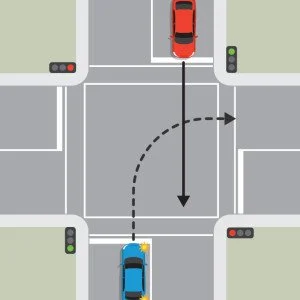
1. Turning Right at Traffic Lights
One of the most common mistakes drivers make is not positioning themselves correctly when turning right at an intersection controlled by green lights. When you are the first vehicle waiting to turn right and the light is green (not a green arrow), you should move forward into the middle of the intersection while giving way to oncoming traffic. Once there is a safe gap, you can complete your turn.
Many drivers don't realise that if the light changes to red while they are waiting in the intersection, they are still allowed to complete their turn once opposing traffic has stopped. In fact, this is the only situation where a vehicle may legally move through a red light. Always remain alert, as some drivers may continue through an amber or even red light.
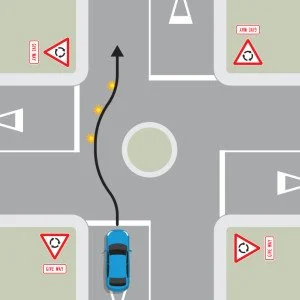
2. Incorrect Roundabout Signalling
Roundabouts help traffic flow smoothly, but many drivers still struggle with signalling correctly.
The rules are straightforward:
Turning left: indicate left as you enter.
Going straight ahead: do not indicate when entering, but indicate left as you exit.
Turning right: indicate right as you enter, then indicate left as you pass the final exit before your own.
Using the correct signals helps other drivers understand your intentions and keeps traffic moving safely.
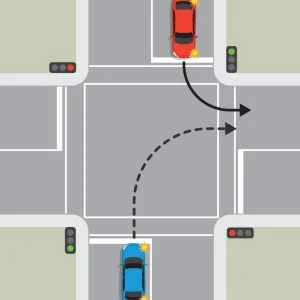
3. Lane Sweeping During Turns
Lane sweeping occurs when a driver turns into the wrong lane, often cutting across another vehicle's path. When turning into a road with two lanes, drivers should enter the lane closest to them. The far lane may be needed by vehicles turning from the opposite direction. Staying in your lane during turns helps prevent collisions and reduces confusion for other road users.
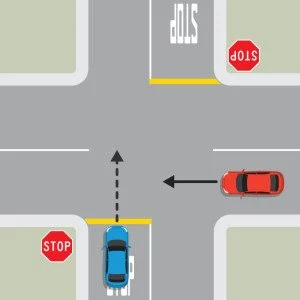
4. Rolling Through Stop Signs
A stop sign means exactly that: stop. Many drivers slow down but fail to come to a complete stop before proceeding. This habit can be dangerous, particularly at intersections with limited visibility. Before moving off, make sure your vehicle has completely stopped and that you have checked for approaching traffic, cyclists, and pedestrians.
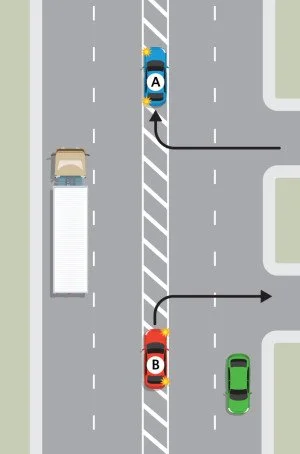
5. Not Using Flush Medians and Blind Spot Checks Correctly
Flush medians are designed to help drivers safely enter traffic or prepare for a turn, but many motorists either avoid using them or use them incorrectly. At the same time, many drivers rely solely on mirrors when changing lanes or merging. Mirrors have blind spots, and failing to physically check over your shoulder can result in a serious collision.
Always perform a blind spot check when:
Merging
Changing lanes
Crossing a cycle lane
Pulling into traffic
Pulling out of traffic
A quick shoulder check takes only a second but can prevent a crash.
Building Better Driving Habits
Most driving mistakes happen because of habit rather than a lack of knowledge. By understanding the rules and practising them consistently, drivers can build confidence and stay safer on New Zealand roads. Whether you're preparing for your licence test or simply looking to sharpen your skills, professional driver training can help identify bad habits before they become costly mistakes.
Need help building your confidence behind the wheel? The AllTrain team is here to help.